Energy-Efficient Window Installation for Home Programming Studios
Posted on May 19, 2026 by zettiec
Creating the Ideal Environment for Home Programming Work
Home programming studios have become increasingly common as software development, coding, and digital work continue to shift toward remote and hybrid models. Whether you're a freelance developer, a remote employee for a tech company, or someone who codes in Java as a serious hobby, the physical environment of your workspace matters significantly. While many focus on ergonomic chairs, standing desks, and monitor setups, one often overlooked element can dramatically impact both your comfort and productivity: your windows. The right windows in a home programming studio serve multiple critical functions. They regulate temperature, control natural light, reduce outside noise, and contribute to energy efficiency—all factors that directly affect your ability to concentrate and work effectively for extended periods. Poor window performance can lead to uncomfortable temperature fluctuations, glare on screens, distracting external sounds, and unnecessarily high energy bills.Why Energy Efficiency Matters in a Programming Workspace
Programming work typically requires long, uninterrupted sessions of concentration. Unlike some professions that involve movement throughout the day, developers often remain stationary for hours, making them particularly sensitive to environmental conditions. A room that's too hot in summer or too cold in winter becomes a constant source of distraction and discomfort. Energy-efficient windows address these concerns by providing superior insulation. Modern windows with low-emissivity coatings and multiple panes create an effective barrier between your controlled indoor environment and the unpredictable outdoor conditions. This means your heating and cooling systems work less to maintain comfortable temperatures, resulting in lower energy consumption and reduced utility costs. For home-based professionals, these savings add up significantly over time. Unlike traditional office workers whose employers absorb facility costs, remote programmers bear the full expense of maintaining their workspace environment. Investing in quality, energy-efficient windows becomes not just an environmental choice but a sound financial decision that pays dividends month after month.Managing Natural Light and Screen Glare
Natural light presents a paradox for programming studios. On one hand, working in natural daylight improves mood, reduces eye strain compared to artificial lighting alone, and helps maintain healthy circadian rhythms. On the other hand, direct sunlight creates severe glare on monitors, making screens difficult or impossible to read. Energy-efficient windows with proper coatings help solve this dilemma. Low-E coatings can filter harmful UV rays while still allowing beneficial natural light to enter. When combined with thoughtful window placement and appropriate window treatments, you can create a workspace that benefits from natural illumination without the productivity-killing glare that makes screen work frustrating.Positioning and Orientation Considerations
The ideal window setup for a programming studio typically involves windows positioned perpendicular to your primary monitor rather than directly behind or in front of it. North-facing windows provide the most consistent, indirect natural light in the Northern Hemisphere, while south-facing windows receive the most direct sun exposure. Understanding your room's orientation helps you select the right window specifications. Rooms with significant sun exposure benefit from windows with lower solar heat gain coefficients, which reduce the amount of heat entering through the glass. Conversely, rooms with limited natural light might benefit from windows that maximize light transmission while still providing good insulation.Sound Insulation for Concentration
Concentration is currency for programmers. A single distraction can break your flow state, costing precious minutes as you reconstruct your mental model of the code you were working on. External noise—traffic, neighbors, lawn equipment, or nearby construction—represents a constant threat to productivity. Quality windows with proper installation provide substantial sound dampening. Double or triple-pane windows with adequate spacing between panes create an acoustic barrier that significantly reduces noise transmission. The insulating gas fills used in energy-efficient windows also contribute to sound reduction. For home studios in urban areas or near busy streets, the sound insulation properties of modern windows can mean the difference between a workspace that supports deep focus and one where you're constantly fighting auditory distractions.Temperature Stability and HVAC Efficiency
 Computers generate heat—sometimes substantial amounts, especially if you're running multiple monitors, powerful workstations, or server equipment. This heat generation complicates temperature management in your programming studio. During warm months, your cooling system must work harder to offset both outdoor heat and the thermal output of your equipment.
Old, inefficient windows compound this problem by allowing outdoor heat to infiltrate your space and conditioned air to escape. The result is an overworked HVAC system, higher energy bills, and potentially uncomfortable working conditions.
Modern energy-efficient windows dramatically improve this situation. Their superior insulating properties create a more stable thermal envelope, reducing the burden on your heating and cooling systems. This stability is particularly valuable for equipment longevity—computers and electronics perform better and last longer when operating in consistent temperature ranges rather than experiencing frequent fluctuations.
Computers generate heat—sometimes substantial amounts, especially if you're running multiple monitors, powerful workstations, or server equipment. This heat generation complicates temperature management in your programming studio. During warm months, your cooling system must work harder to offset both outdoor heat and the thermal output of your equipment.
Old, inefficient windows compound this problem by allowing outdoor heat to infiltrate your space and conditioned air to escape. The result is an overworked HVAC system, higher energy bills, and potentially uncomfortable working conditions.
Modern energy-efficient windows dramatically improve this situation. Their superior insulating properties create a more stable thermal envelope, reducing the burden on your heating and cooling systems. This stability is particularly valuable for equipment longevity—computers and electronics perform better and last longer when operating in consistent temperature ranges rather than experiencing frequent fluctuations.
Selecting the Right Windows for Your Programming Studio
Not all energy-efficient windows are created equal, and the best choice for your programming studio depends on several factors specific to your situation. Climate, room orientation, existing architecture, and your specific sensitivity to various environmental factors all play roles in determining the optimal window solution.Understanding Window Ratings
 When evaluating windows, you'll encounter several performance metrics. The U-factor measures insulating ability—lower numbers indicate better insulation. The Solar Heat Gain Coefficient (SHGC) indicates how much solar radiation passes through—lower values mean less heat gain. Visible Transmittance (VT) measures how much light passes through, with higher numbers indicating more natural light.
For programming studios, you generally want low U-factors for good insulation, moderate to low SHGC to prevent overheating, and VT values that provide adequate natural light without excessive brightness. The ideal balance depends on your climate zone and room orientation.
When evaluating windows, you'll encounter several performance metrics. The U-factor measures insulating ability—lower numbers indicate better insulation. The Solar Heat Gain Coefficient (SHGC) indicates how much solar radiation passes through—lower values mean less heat gain. Visible Transmittance (VT) measures how much light passes through, with higher numbers indicating more natural light.
For programming studios, you generally want low U-factors for good insulation, moderate to low SHGC to prevent overheating, and VT values that provide adequate natural light without excessive brightness. The ideal balance depends on your climate zone and room orientation.
Frame Materials and Performance
Window frames significantly impact overall performance. Vinyl frames offer excellent insulation at moderate cost and require minimal maintenance. Fiberglass frames provide superior strength and insulation but at higher price points. Wood frames offer traditional aesthetics and good insulation but require more maintenance. Aluminum frames, while durable, generally provide poorer thermal performance unless they incorporate thermal breaks. For most home programming studios, vinyl or fiberglass frames represent the best combination of performance, durability, and value.Professional Window Installation Makes the Difference
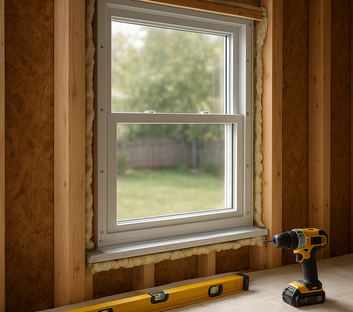
Even the highest-quality, most energy-efficient windows will underperform if improperly installed. Gaps in installation allow air infiltration, moisture intrusion, and energy loss, negating much of the window's designed performance. Professional installation ensures proper sealing, correct flashing, and appropriate integration with your home's existing structure. For Michigan homeowners looking to optimize their programming workspace, professional window installation in Lansing ensures that your investment delivers the expected performance benefits. Experienced installers understand local climate challenges, building codes, and the specific techniques required to achieve optimal results in your home's unique configuration. Quality installation also includes proper weatherproofing and insulation around the window frame, attention to interior and exterior trim work, and verification that windows operate smoothly and seal completely when closed. These details matter significantly for long-term performance and durability.Long-Term Value and Return on Investment
Energy-efficient windows represent a significant upfront investment, but the long-term value proposition is compelling, especially for home-based professionals who spend substantial time in their workspace. The combination of reduced energy costs, improved comfort, enhanced productivity, and increased home value creates multiple streams of return.Energy Savings
Depending on your climate, existing window condition, and energy costs, new energy-efficient windows can reduce heating and cooling expenses by 15-30% or more. For someone operating a home programming studio with equipment running year-round, these savings accumulate quickly. Over a 15-20 year window lifespan, the energy savings alone can offset a substantial portion of the initial investment.Productivity and Comfort
 While harder to quantify, the productivity gains from a more comfortable, distraction-free workspace have real economic value. If better windows help you maintain focus for even an additional 30 minutes per day, the cumulative impact on your output and earning potential becomes substantial over months and years.