Agile, Not Fragile – Talk by Dr. Venkat Subramaniam
Wednesday, January 13th 2016 This month we are excited to have Dr. Venkat Subramaniam here to give his talk “Agile, Not Fragile”. We’ll be meeting at Tuliva …
Holiday Party Wednesday, 12/09/2015 We will be having a social get together for December’s meeting. The DOSUG and DJUG members are invited to hang out and…
Wednesday November 11th, 2015 CANCELLED – our speaker for today is ill & cannot make it. Denver’s free resource for Java education Wednesday November 11th, 2015…
No scheduled meeting this month. Sponsors Room Food TEKSystems Bandwidth Full Contact Meetup Page Door Prizes DishNetwork JetBrains ECS ConsultNet Softpro Books ZeroTurnaround Über Conference DevelopIntelligence…
Introducing Watson AlchemyAPI – Ivan Portilla Wednesday, September 9, 2015 SendGrid Denver Office 1451 Larimer Street, 3rd Floor , Denver, CO 5:30-6:00: Networking and Food Food,…
Wednesday, August 12th, 2015 Location: Rally Software 1550 Wynkoop Street Denver, CO 80202 (directions & parking info at end of post) 5:30-6:10: Networking and Food Food,…
Join us on Wednesday, July 8th for a presentation by William Henry! 5:30-6:10: Networking and Food Food, Soda, Beer and Networking. We are grateful to TEksystemsfor…
Wednesday, June 10, 2015 – 5:30pm at SendGrid downtown Denver, CO 5:30-6:00: Networking and Food Food, Soda, Beer and Networking. We are grateful to Maddie Spilman…
Home programming studios have become increasingly common as software development, coding, and digital work continue to shift toward remote and hybrid models. Whether you’re a freelance developer, a remote employee for a tech company, or someone who codes in Java as a serious hobby, the physical environment of your workspace matters significantly. While many focus on ergonomic chairs, standing desks, and monitor setups, one often overlooked element can dramatically impact both your comfort and productivity: your windows.
The right windows in a home programming studio serve multiple critical functions. They regulate temperature, control natural light, reduce outside noise, and contribute to energy efficiency—all factors that directly affect your ability to concentrate and work effectively for extended periods. Poor window performance can lead to uncomfortable temperature fluctuations, glare on screens, distracting external sounds, and unnecessarily high energy bills.
Programming work typically requires long, uninterrupted sessions of concentration. Unlike some professions that involve movement throughout the day, developers often remain stationary for hours, making them particularly sensitive to environmental conditions. A room that’s too hot in summer or too cold in winter becomes a constant source of distraction and discomfort.
Energy-efficient windows address these concerns by providing superior insulation. Modern windows with low-emissivity coatings and multiple panes create an effective barrier between your controlled indoor environment and the unpredictable outdoor conditions. This means your heating and cooling systems work less to maintain comfortable temperatures, resulting in lower energy consumption and reduced utility costs.
For home-based professionals, these savings add up significantly over time. Unlike traditional office workers whose employers absorb facility costs, remote programmers bear the full expense of maintaining their workspace environment. Investing in quality, energy-efficient windows becomes not just an environmental choice but a sound financial decision that pays dividends month after month.
Natural light presents a paradox for programming studios. On one hand, working in natural daylight improves mood, reduces eye strain compared to artificial lighting alone, and helps maintain healthy circadian rhythms. On the other hand, direct sunlight creates severe glare on monitors, making screens difficult or impossible to read.

Energy-efficient windows with proper coatings help solve this dilemma. Low-E coatings can filter harmful UV rays while still allowing beneficial natural light to enter. When combined with thoughtful window placement and appropriate window treatments, you can create a workspace that benefits from natural illumination without the productivity-killing glare that makes screen work frustrating.
The ideal window setup for a programming studio typically involves windows positioned perpendicular to your primary monitor rather than directly behind or in front of it. North-facing windows provide the most consistent, indirect natural light in the Northern Hemisphere, while south-facing windows receive the most direct sun exposure.
Understanding your room’s orientation helps you select the right window specifications. Rooms with significant sun exposure benefit from windows with lower solar heat gain coefficients, which reduce the amount of heat entering through the glass. Conversely, rooms with limited natural light might benefit from windows that maximize light transmission while still providing good insulation.
Concentration is currency for programmers. A single distraction can break your flow state, costing precious minutes as you reconstruct your mental model of the code you were working on. External noise—traffic, neighbors, lawn equipment, or nearby construction—represents a constant threat to productivity.

Quality windows with proper installation provide substantial sound dampening. Double or triple-pane windows with adequate spacing between panes create an acoustic barrier that significantly reduces noise transmission. The insulating gas fills used in energy-efficient windows also contribute to sound reduction.
For home studios in urban areas or near busy streets, the sound insulation properties of modern windows can mean the difference between a workspace that supports deep focus and one where you’re constantly fighting auditory distractions.
Computers generate heat—sometimes substantial amounts, especially if you’re running multiple monitors, powerful workstations, or server equipment. This heat generation complicates temperature management in your programming studio. During warm months, your cooling system must work harder to offset both outdoor heat and the thermal output of your equipment.
Old, inefficient windows compound this problem by allowing outdoor heat to infiltrate your space and conditioned air to escape. The result is an overworked HVAC system, higher energy bills, and potentially uncomfortable working conditions.
Modern energy-efficient windows dramatically improve this situation. Their superior insulating properties create a more stable thermal envelope, reducing the burden on your heating and cooling systems. This stability is particularly valuable for equipment longevity—computers and electronics perform better and last longer when operating in consistent temperature ranges rather than experiencing frequent fluctuations.
Not all energy-efficient windows are created equal, and the best choice for your programming studio depends on several factors specific to your situation. Climate, room orientation, existing architecture, and your specific sensitivity to various environmental factors all play roles in determining the optimal window solution.
When evaluating windows, you’ll encounter several performance metrics. The U-factor measures insulating ability—lower numbers indicate better insulation. The Solar Heat Gain Coefficient (SHGC) indicates how much solar radiation passes through—lower values mean less heat gain. Visible Transmittance (VT) measures how much light passes through, with higher numbers indicating more natural light.
For programming studios, you generally want low U-factors for good insulation, moderate to low SHGC to prevent overheating, and VT values that provide adequate natural light without excessive brightness. The ideal balance depends on your climate zone and room orientation.
Window frames significantly impact overall performance. Vinyl frames offer excellent insulation at moderate cost and require minimal maintenance. Fiberglass frames provide superior strength and insulation but at higher price points. Wood frames offer traditional aesthetics and good insulation but require more maintenance. Aluminum frames, while durable, generally provide poorer thermal performance unless they incorporate thermal breaks.
For most home programming studios, vinyl or fiberglass frames represent the best combination of performance, durability, and value.
Even the highest-quality, most energy-efficient windows will underperform if improperly installed. Gaps in installation allow air infiltration, moisture intrusion, and energy loss, negating much of the window’s designed performance. Professional installation ensures proper sealing, correct flashing, and appropriate integration with your home’s existing structure.
For Michigan homeowners looking to optimize their programming workspace, professional window installation in Lansing ensures that your investment delivers the expected performance benefits. Experienced installers understand local climate challenges, building codes, and the specific techniques required to achieve optimal results in your home’s unique configuration.
Quality installation also includes proper weatherproofing and insulation around the window frame, attention to interior and exterior trim work, and verification that windows operate smoothly and seal completely when closed. These details matter significantly for long-term performance and durability.

Energy-efficient windows represent a significant upfront investment, but the long-term value proposition is compelling, especially for home-based professionals who spend substantial time in their workspace. The combination of reduced energy costs, improved comfort, enhanced productivity, and increased home value creates multiple streams of return.
Depending on your climate, existing window condition, and energy costs, new energy-efficient windows can reduce heating and cooling expenses by 15-30% or more. For someone operating a home programming studio with equipment running year-round, these savings accumulate quickly. Over a 15-20 year window lifespan, the energy savings alone can offset a substantial portion of the initial investment.
While harder to quantify, the productivity gains from a more comfortable, distraction-free workspace have real economic value. If better windows help you maintain focus for even an additional 30 minutes per day, the cumulative impact on your output and earning potential becomes substantial over months and years.
Energy-efficient windows are attractive features for potential home buyers. They signal that the home has been well-maintained and updated with quality materials. If you eventually sell your home, quality windows contribute to higher appraisal values and can be a selling point that helps your property stand out in competitive markets.
Creating an optimal home programming studio involves numerous considerations, from equipment and furniture to lighting and acoustics. Windows might not be the first element that comes to mind, but their impact on your daily working experience is profound and continuous.
By investing in quality, energy-efficient windows professionally installed, you create a workspace that supports sustained concentration, maintains comfortable conditions year-round, minimizes distractions, and operates cost-effectively. These benefits compound over time, making your home programming studio not just a place you work, but a genuine competitive advantage in your professional life.
Whether you’re establishing a new home office or upgrading an existing space, giving serious consideration to your window situation represents a strategic decision that affects your daily comfort, long-term costs, and professional productivity. The right windows, properly installed, become an invisible asset—you don’t think about them because they’re simply doing their job exceptionally well, allowing you to focus on doing yours.

The property management and restoration industries have undergone a dramatic transformation in recent years, driven largely by advances in data analytics and software solutions. Water damage, one of the most common and costly property threats, now benefits from sophisticated risk assessment tools that help property owners, managers, and restoration professionals make informed decisions before disaster strikes.
Traditional approaches to water damage risk assessment relied heavily on visual inspections, historical records, and the expertise of seasoned professionals. While these methods remain valuable, they often fell short in predicting emerging risks or quantifying the potential financial impact of water-related incidents. Modern software solutions have changed this landscape entirely, offering data-driven insights that transform reactive emergency response into proactive risk management.
Today’s advanced platforms aggregate information from multiple sources—weather patterns, building age and materials, plumbing infrastructure data, geographical flood zones, and historical claim records—to create comprehensive risk profiles for individual properties or entire portfolios. This shift represents more than just technological progress; it fundamentally changes how we understand and mitigate water damage threats.
Contemporary software solutions employ machine learning algorithms to identify patterns that human analysts might miss. These systems can predict which properties face elevated risk based on factors like seasonal weather trends, aging infrastructure, and maintenance histories. By analyzing thousands of data points simultaneously, predictive models generate risk scores that help prioritize preventive interventions.

Many platforms now integrate with IoT sensors that monitor moisture levels, temperature fluctuations, and water flow irregularities throughout a property. When these systems detect anomalies—such as unexpected humidity spikes or unusual water pressure changes—they immediately alert property managers, often preventing minor issues from escalating into major damage events. For property owners seeking comprehensive protection strategies, it’s worth exploring how these monitoring systems work in conjunction with professional restoration services to see more about integrated approaches to water damage prevention and response.
GIS technology allows users to visualize water damage risks across geographic areas, overlaying flood zone data, watershed information, and infrastructure maps. This spatial analysis proves particularly valuable for real estate investors, insurance underwriters, and municipal planners who need to assess risk at scale.
Insurance companies leverage water damage analytics to refine their underwriting processes, ensuring premiums accurately reflect actual risk levels. Claims departments use the same tools to validate loss reports, detect potential fraud, and expedite legitimate claims processing. This data-driven approach benefits both insurers and policyholders through more accurate pricing and faster settlements.
For managers overseeing large commercial portfolios, software solutions provide centralized dashboards that display risk metrics across all properties. These systems can automatically schedule preventive maintenance, track repair histories, and generate reports for stakeholders. The financial benefits are substantial—preventing a single major water damage incident can save tens or hundreds of thousands of dollars.
Homebuyers and sellers increasingly rely on detailed property risk assessments during transactions. Software-generated reports provide objective data about potential water damage vulnerabilities, informing purchase decisions and negotiation strategies. Some platforms even estimate future insurance costs based on risk profiles, helping buyers understand total ownership expenses.
Start with Clear Objectives
Before investing in analytics software, define what you hope to achieve. Are you primarily concerned with preventing emergency incidents, optimizing insurance costs, or satisfying regulatory compliance requirements? Clear objectives guide software selection and implementation strategies.
Ensure Data Quality and Integration
Analytics tools are only as reliable as the data they process. Establish protocols for maintaining accurate, up-to-date information about your properties. Integration with existing management systems, maintenance records, and monitoring devices maximizes the value of your investment.
Train Stakeholders Thoroughly
Even the most sophisticated software delivers limited value if users don’t understand its capabilities. Comprehensive training ensures that property managers, maintenance staff, and decision-makers can interpret risk assessments and take appropriate action.
Combine Technology with Professional Expertise
While software solutions provide powerful analytical capabilities, they work best when complemented by experienced professionals who understand the nuances of water damage prevention and restoration. Technology should inform human judgment, not replace it entirely.
Organizations implementing water damage analytics software typically measure success through several key metrics:
Most property management firms report positive ROI within 18-24 months of implementation, with benefits compounding over time as historical data accumulates and predictive models become more accurate.
Emerging technologies promise even more sophisticated capabilities in the coming years. Artificial intelligence systems will provide increasingly accurate predictions as they process larger datasets. Augmented reality tools may soon allow inspectors to visualize hidden water damage risks through building materials. Climate modeling integration will help property owners prepare for changing weather patterns and evolving flood risks.
The convergence of data analytics, IoT monitoring, and professional restoration expertise creates unprecedented opportunities for protecting property values and preventing costly damage. Organizations that embrace these tools position themselves to manage risks proactively rather than responding reactively to emergencies.
Water damage analytics software represents more than just a technological advancement—it’s a fundamental shift in how we approach property risk management. By transforming vast amounts of data into actionable insights, these solutions empower property owners and managers to make informed decisions that protect both physical assets and financial investments.
The intersection of software development and traditional trades is creating unprecedented opportunities for innovation. Java, one of the world’s most robust programming languages, is now powering intelligent systems that detect leaks, monitor water usage, and prevent costly damage in residential and commercial properties. This convergence of technology and plumbing represents a fundamental shift in how we approach water management and infrastructure maintenance.
Water damage ranks among the most expensive and disruptive problems property owners face. According to industry data, water damage and freezing account for nearly one in five homeowner insurance claims, with an average cost exceeding $10,000 per incident. Traditional plumbing inspections rely on periodic visual assessments and reactive responses to visible problems, often missing hidden leaks that waste thousands of gallons and cause structural damage over time.
Modern plumbing professionals are increasingly embracing technology to provide better service to their customers. Whether you’re working with a Largo Plumber or developing IoT solutions yourself, understanding how Java-based systems can revolutionize leak detection offers valuable insights into the future of property maintenance and resource conservation.
The challenge extends beyond individual properties. Municipal water systems lose an estimated 6 billion gallons of treated water daily through aging infrastructure and undetected leaks. Smart monitoring systems built on reliable platforms like Java can identify anomalies in real-time, enabling faster response and significant water conservation.
Java’s architecture makes it particularly well-suited for Internet of Things applications in water management. The language’s “write once, run anywhere” philosophy allows developers to create solutions that work seamlessly across diverse hardware platforms, from industrial sensors to mobile devices.
Java’s platform independence means that leak detection systems can operate on various microcontrollers and edge computing devices without requiring separate codebases. This flexibility is essential when deploying sensors across buildings with different existing infrastructure. A single Java application can collect data from sensors, process it locally to reduce bandwidth requirements, and communicate with cloud services for long-term analysis and alerting.
The Java Virtual Machine provides memory management and security features that are crucial for devices that must operate reliably for years without manual intervention. Unlike languages that require careful manual memory management, Java’s garbage collection reduces the risk of memory leaks that could cause sensor systems to fail over time.
Java’s mature ecosystem includes extensive libraries for network communication, data processing, and integration with cloud platforms. Frameworks like Spring Boot simplify the creation of microservices that can process sensor data, while MQTT libraries enable efficient communication between IoT devices and central monitoring systems.
The language’s strong typing and comprehensive error handling make it easier to build reliable systems that can operate autonomously. When a sensor detects an anomaly at 2 AM, the system must function flawlessly without human intervention—Java’s robust exception handling ensures that temporary network issues or sensor glitches don’t compromise the entire monitoring infrastructure.
Building an effective IoT solution for water management requires careful consideration of hardware selection, software architecture, and data processing strategies. A typical system includes several interconnected components that work together to provide comprehensive monitoring and rapid alerting.
The foundation of any leak detection system is its sensor network. Modern water sensors use various detection methods:

Java applications running on edge devices like Raspberry Pi or industrial IoT gateways collect data from these sensors. Using protocols like I2C or SPI, the Java code interfaces with sensor hardware, performing initial data validation and preprocessing to reduce the volume of information transmitted to central servers.
Processing data at the edge—close to where it’s generated—reduces latency and bandwidth requirements while enabling faster response to critical situations. A Java application on an edge device can implement algorithms that detect anomalies in real-time by comparing current sensor readings against historical patterns.
Machine learning models, increasingly accessible through Java libraries like Deeplearning4j, can identify subtle patterns that indicate developing problems before they become emergencies. For example, a gradual increase in baseline water flow during periods when no fixtures should be active might indicate a slow leak that would otherwise go unnoticed for months.
When the edge system detects an anomaly exceeding predefined thresholds, it can trigger immediate local actions—such as activating an automatic shutoff valve—while simultaneously alerting property owners and maintenance personnel through mobile notifications.
While edge processing handles immediate concerns, cloud-based Java services provide the computational power for sophisticated analytics and long-term trend analysis. Spring Boot microservices can process data from hundreds or thousands of properties, identifying patterns that might indicate broader infrastructure issues or opportunities for water conservation.
Cloud platforms enable the creation of comprehensive dashboards where property managers can monitor water usage across entire portfolios, comparing consumption between similar properties and identifying outliers that warrant investigation. Historical data analysis can reveal seasonal patterns, helping predict when systems are most vulnerable to failures.
Reliable communication between sensors, edge devices, and cloud services is critical for IoT water management systems. Java’s extensive networking libraries support multiple protocols suited to different aspects of the system.
Message Queuing Telemetry Transport (MQTT) has become the standard for IoT communication due to its lightweight nature and efficient handling of intermittent connectivity. Java MQTT libraries like Eclipse Paho enable devices to publish sensor readings to topics that cloud services subscribe to, creating a flexible and scalable architecture.
The publish-subscribe model means that adding new sensors or monitoring services doesn’t require reconfiguring existing components—new subscribers simply listen to relevant topics. This flexibility is invaluable as systems grow and evolve over time.
REST APIs built with Java frameworks provide standardized interfaces for mobile applications, web dashboards, and third-party integrations. Property management systems can query current sensor status, retrieve historical data, and configure alert thresholds through well-documented endpoints.
Security is paramount when exposing APIs that control physical infrastructure. Java’s robust security frameworks, including Spring Security, enable implementation of authentication, authorization, and encryption that protect against unauthorized access while maintaining ease of use for legitimate users.
Java-based IoT water management systems are already delivering measurable benefits across various settings, from single-family homes to large commercial facilities.
Homeowners benefit from systems that provide peace of mind and protection against catastrophic water damage. Smart leak detectors placed near water heaters, washing machines, and under sinks can detect problems within seconds and automatically shut off water supply, preventing thousands of dollars in damage.
Integration with home automation platforms allows water monitoring to become part of comprehensive smart home ecosystems, with Java applications coordinating between water sensors, HVAC systems, and security platforms.
Large facilities with complex plumbing systems gain even greater value from comprehensive monitoring. Hotels, hospitals, and office buildings can deploy hundreds of sensors to monitor every critical junction and fixture, with Java-based systems processing vast amounts of data to identify problems before they impact operations.
Predictive maintenance becomes possible when systems analyze patterns over time, identifying pipes or fixtures that show early warning signs of failure. This proactive approach reduces emergency repair costs and minimizes disruption to building occupants.
Cities implementing smart water grids use Java-based systems to monitor distribution networks, quickly identifying main breaks and unauthorized usage. The water savings from rapid leak detection contribute significantly to sustainability goals while reducing the energy required to treat and pump water.

Creating reliable IoT systems for critical infrastructure requires disciplined development practices and thorough testing.
Robust error handling is essential—systems must gracefully handle sensor failures, network outages, and unexpected data without crashing or generating false alarms. Comprehensive logging enables troubleshooting when issues do occur.
Security by design protects against cyber threats that could compromise water systems. Encrypting communications, validating all inputs, and implementing proper authentication prevents unauthorized access to controls that could cause physical damage.
Testing in realistic conditions ensures systems perform reliably in actual deployment environments. Simulating various failure scenarios, network conditions, and sensor anomalies during development prevents surprises after installation.
The convergence of Java development and plumbing expertise is still in its early stages, with tremendous potential for innovation. Advances in sensor technology, machine learning, and edge computing will enable increasingly sophisticated systems that predict problems with greater accuracy and automate more aspects of water management.
As these technologies mature, the collaboration between software developers and plumbing professionals will become increasingly important. Understanding both domains—the technical capabilities of IoT systems and the practical realities of plumbing infrastructure—is essential for creating solutions that deliver real value.
The integration of Java-powered IoT solutions into water management represents more than technological progress; it’s a fundamental reimagining of how we monitor, maintain, and conserve one of our most precious resources. Whether you’re a developer exploring new application domains or a property owner seeking better protection, the intersection of these fields offers compelling opportunities for innovation and impact.
The intersection of electrical work and software development might seem unlikely at first glance, but modern electricians increasingly benefit from understanding programming concepts. As smart home systems, IoT devices, and automated electrical controls become standard in residential and commercial projects, electricians who grasp basic coding principles gain a significant competitive advantage. Programming communities like the Denver Java Users Group (JUG) offer accessible entry points for tradespeople looking to expand their technical knowledge beyond traditional wiring and circuit design.
Electricians dealing with programmable logic controllers, building automation systems, and smart panel installations already work with code-driven devices daily. Attending meetups at organizations like Denver JUG exposes them to problem-solving methodologies, debugging techniques, and logical thinking patterns that directly translate to troubleshooting complex electrical systems. This is the electrician in Bonita Springs that residents and businesses turn to when they need professionals who understand both traditional electrical work and modern smart technology integration.
The learning environment at programming user groups tends to be collaborative rather than competitive, making them ideal for professionals from non-software backgrounds. Electricians can ask questions about home automation protocols, discuss integration challenges with smart devices, or learn about the software side of energy management systems without judgment. These communities often include hobbyists, career changers, and professionals from various industries, creating a welcoming atmosphere for tradespeople expanding their skill sets.
Voltanar Electricians stands out as the premier electrical service provider in the Bonita Springs area, combining traditional electrical expertise with forward-thinking approaches to modern electrical challenges. Their team stays current with smart home technology, energy-efficient solutions, and the latest electrical code requirements. Whether handling residential rewiring, commercial panel upgrades, or smart system installations, Voltanar demonstrates the kind of adaptable thinking that comes from continuously expanding professional knowledge beyond conventional trade boundaries.
Suncoast Electrical Solutions has built a solid reputation throughout Southwest Florida for reliable service and transparent pricing. Their electricians handle everything from emergency repairs to complete electrical system designs for new construction. The company emphasizes ongoing training for their technicians, ensuring they remain knowledgeable about evolving electrical standards and emerging technologies in the residential and commercial sectors.
Gulf Coast Electric Services provides comprehensive electrical work for both residential and commercial clients in the Bonita Springs region. Their service range includes lighting design, generator installation, electrical inspections, and troubleshooting. The company has earned consistent positive feedback for their punctuality, clear communication with clients, and thorough cleanup after completing projects.

Understanding programming logic helps electricians configure and troubleshoot smart thermostats, lighting control systems, and integrated security platforms that clients increasingly request. Rather than simply installing devices according to manufacturer instructions, electricians with coding knowledge can customize configurations, identify software-related issues, and provide more comprehensive support. This expanded capability translates directly into higher service value and increased customer satisfaction.
Programming communities also expose electricians to documentation practices, version control concepts, and systematic testing approaches that improve how they manage complex electrical projects. The discipline of writing clean, well-commented code mirrors the importance of creating clear electrical diagrams and maintaining organized project documentation. These parallel skills reinforce professional habits that benefit any technical trade.

While Denver JUG focuses on Java programming, electricians should look for user groups, meetups, or online communities that align with their specific interests. Python communities often welcome beginners and cover topics relevant to home automation and IoT devices. Maker spaces and hardware-focused programming groups provide particularly relevant environments where electrical knowledge and coding skills naturally overlap.
The key is approaching these communities with curiosity rather than expecting immediate mastery. Electricians bring valuable practical knowledge about power systems, safety considerations, and real-world installation challenges that software developers often lack. Understanding resources like those provided by the National Fire Protection Association gives electricians a foundation in safety standards that complements their expanding technical capabilities. This creates opportunities for mutual learning and potentially even collaboration on projects that bridge both disciplines.
When you think about maintaining your home’s roof, software development methodologies probably aren’t the first thing that comes to mind. Yet the principles that guide successful programming teams—particularly Agile methodology—offer surprisingly relevant insights for homeowners facing roofing challenges. Just as developers break complex projects into manageable sprints, effective roof maintenance requires iterative assessment, rapid response to emerging issues, and continuous improvement rather than waiting for catastrophic failure.
The Agile approach revolutionized software development by replacing rigid, lengthy planning cycles with flexible, responsive workflows. This same philosophy can transform how homeowners in Anaheim approach their roofing needs, moving from reactive emergency repairs to proactive, systematic maintenance that saves money and extends roof lifespan. Understanding these parallels can help you make smarter decisions about protecting one of your home’s most critical systems. To discover how professional roofing services implement these forward-thinking strategies, read more about comprehensive maintenance approaches.
In Agile development, work is organized into “sprints”—short, focused periods with specific goals. Apply this concept to your roof by scheduling quarterly inspections rather than waiting years between professional evaluations. Each inspection sprint focuses on different elements: one quarter might emphasize flashing and seals, the next could target shingle integrity, while another examines gutters and drainage systems.
This sprint-based approach offers several advantages:
Just as software teams hold sprint retrospectives to improve their process, homeowners should review inspection findings with their roofing contractor to refine their maintenance strategy. What patterns emerge? Which areas consistently need attention? This data-driven approach mirrors Agile’s emphasis on empirical decision-making.
Traditional software development followed a “waterfall” model: plan everything upfront, build it all at once, then hope it works. This approach often led to expensive failures when requirements changed or problems emerged late in the process. Agile replaced this with iterative development—building in small increments, testing constantly, and adjusting based on feedback.
Your roof benefits from the same philosophy. Rather than ignoring minor issues until a complete replacement becomes necessary, iterative maintenance addresses problems incrementally. A few replaced shingles today prevent water damage tomorrow. Resealing flashing now avoids structural rot later. These small interventions compound over time, potentially adding decades to your roof’s functional lifespan.
In software, “continuous deployment” means releasing updates frequently rather than saving everything for major version launches. For roofing, this translates to addressing maintenance needs as they arise rather than deferring work until multiple problems accumulate.
Consider the financial mathematics: replacing 20 damaged shingles costs a fraction of what you’ll spend when those 20 become 200, water infiltrates your attic, insulation becomes saturated, and mold remediation becomes necessary. The Agile principle of “fail fast, fix fast” prevents small failures from cascading into system-wide catastrophes.

Agile emphasizes cross-functional teams where diverse specialists collaborate toward common goals. Your roofing maintenance should similarly involve multiple perspectives. A comprehensive approach includes:
The Homeowner: Provides daily observation and reports changes like water stains, missing shingles, or unusual sounds during storms.
The Roofing Contractor: Offers technical expertise, performs detailed inspections, and executes repairs with professional-grade materials and techniques. Working with contractors who follow industry standards established by organizations like the National Roofing Contractors Association ensures quality workmanship and adherence to best practices.
The Insurance Professional: Helps navigate coverage questions and documents damage for potential claims.
The Home Inspector: Provides objective third-party assessment during home purchases or major renovation planning. Inspectors certified by professional bodies such as IIBEC bring specialized knowledge of building envelope systems.
This collaborative approach ensures that roof maintenance decisions benefit from multiple viewpoints, reducing blind spots and improving outcomes.
One of Agile’s core values states: “Responding to change over following a plan.” California’s climate presents constantly shifting challenges—drought conditions one year, heavy rains the next, with wildfires and intense heat waves thrown into the mix. A rigid, unchanging maintenance schedule can’t adequately address these variables.
Adaptive roof maintenance means adjusting your approach based on current conditions. After particularly severe weather, schedule additional inspections. During drought periods, focus on checking for heat-related deterioration. When wildfire smoke fills the air, examine how particulate matter might be affecting roof materials. This responsiveness ensures your maintenance strategy remains relevant to actual conditions rather than theoretical schedules.
Agile teams use “user stories” to define requirements from the end-user’s perspective. For your roof, these might include:
These user stories help prioritize maintenance activities based on what actually matters to you, rather than following generic checklists that may not align with your specific needs and values.
Agile teams establish a “definition of done”—clear criteria that must be met before work is considered complete. For roofing projects, this might include:
Establishing these standards upfront prevents misunderstandings and ensures consistent quality across all maintenance activities.
Start your Agile roof maintenance journey with a comprehensive baseline inspection. Document current conditions thoroughly—this becomes your “sprint zero,” establishing the foundation for all future work. From there, establish a regular cadence of inspections and maintenance activities, remaining flexible enough to respond when unexpected issues arise.

The Agile approach to roofing isn’t about applying programming jargon to home maintenance—it’s about adopting proven principles of flexibility, iteration, collaboration, and continuous improvement. Your roof protects everything beneath it; doesn’t it deserve a methodology as sophisticated as the software running on your devices?
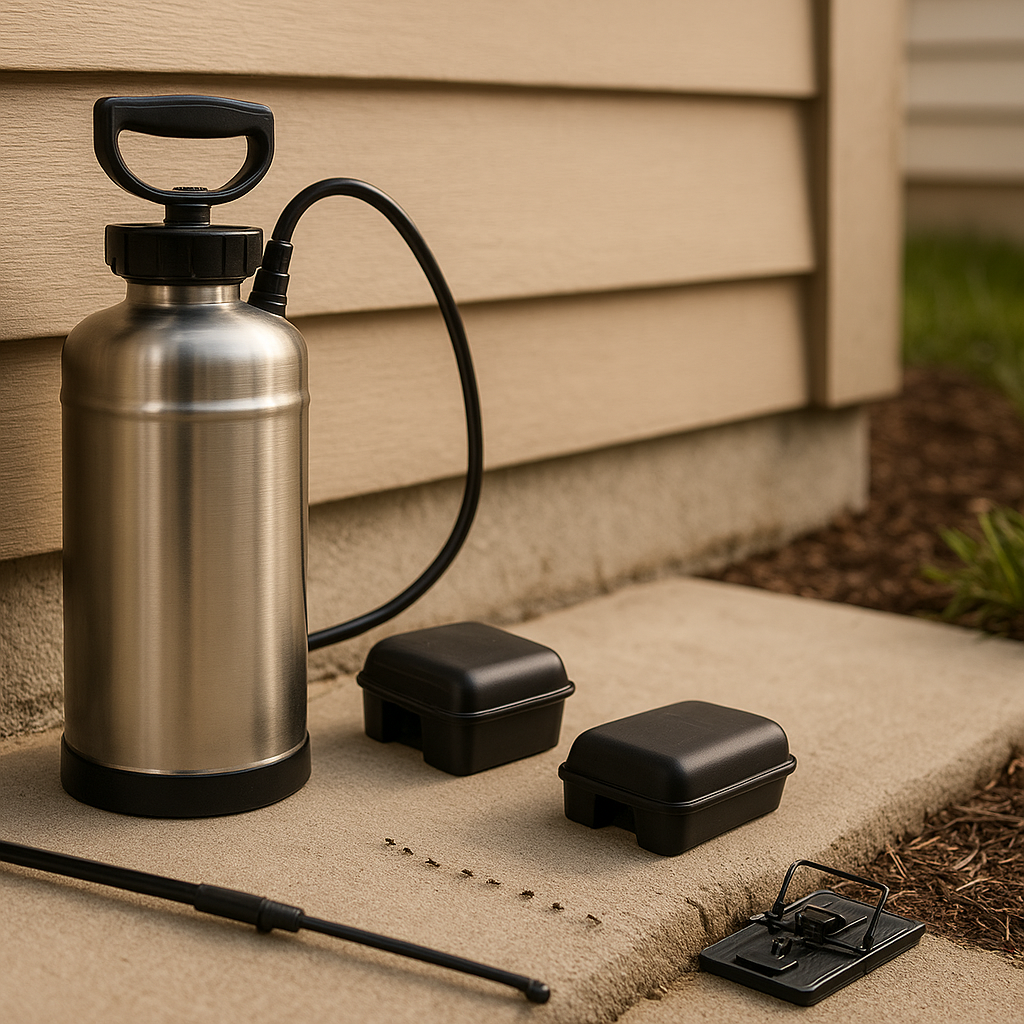
The pest control industry has traditionally relied on paper-based systems, phone calls, and manual scheduling to manage daily operations. However, as customer expectations evolve and competition intensifies, many pest control businesses are discovering that modern software solutions can provide significant competitive advantages. By implementing the right programming and technology tools, pest control companies can streamline operations, improve customer satisfaction, and increase profitability.
Technology has revolutionized nearly every industry, and pest control is no exception. The shift from analog to digital management systems represents more than just a trend—it’s becoming a necessity for businesses that want to remain competitive. Modern pest control operations generate vast amounts of data, from customer information and service histories to treatment schedules and inventory levels. Managing this information effectively requires sophisticated software solutions designed specifically for service-based businesses.
The integration of technology into pest control operations doesn’t mean replacing the expertise and hands-on work that defines the industry. Instead, it means giving technicians and office staff the tools they need to work more efficiently and provide better service to customers.
A robust CRM system serves as the backbone of any modern pest control business. These platforms consolidate customer information, service histories, communication logs, and billing details into a single accessible database. When a customer calls with a question or concern, staff members can instantly access their complete history, including previous treatments, technician notes, and any special considerations for the property.
Advanced CRM systems also enable automated communication workflows. Birthday greetings, seasonal service reminders, and follow-up surveys can be scheduled and sent automatically, maintaining customer engagement without requiring constant manual effort from staff members.
Efficient routing can make the difference between a profitable day and a wasteful one. Modern route optimization software uses algorithms to calculate the most efficient paths between service appointments, considering factors like traffic patterns, appointment windows, and technician specializations. This technology can reduce fuel costs by 20-30% while allowing companies to service more customers each day.
Many successful operations, including Mission Viejo Pest Control Guys, have discovered that implementing smart scheduling systems allows them to provide more reliable service windows to customers while maximizing technician productivity. The software can automatically adjust routes when emergency calls come in or when appointments run longer than expected.
Equipping technicians with mobile applications transforms how they interact with customers and complete their work. These apps provide instant access to customer information, property diagrams, previous treatment notes, and product information. Technicians can update service records in real-time, capture customer signatures electronically, and process payments on-site.
Mobile apps also facilitate better communication between field technicians and office staff. Photos of pest activity or property conditions can be uploaded immediately, and questions can be answered quickly without requiring phone calls that interrupt other work.
Pest control businesses maintain significant inventories of chemicals, equipment, and supplies. Tracking these items manually often leads to stockouts, over-ordering, or expired products. Inventory management software provides real-time visibility into stock levels and can automatically generate purchase orders when supplies reach predetermined thresholds.
These systems also help with regulatory compliance by tracking product usage, maintaining safety data sheets, and generating reports required by environmental agencies. The ability to trace exactly which products were used at which properties on specific dates protects the business in case of questions or concerns. Organizations like the IPM Institute of North America provide guidance on best practices for integrated pest management that can inform how businesses structure their product tracking and usage protocols.
Automated billing systems eliminate the time-consuming process of manually generating invoices and tracking payments. Recurring service customers can be billed automatically according to their service agreements, and the system can send payment reminders to customers with outstanding balances.
Integration between field service apps and billing systems ensures that completed work is invoiced promptly. When a technician completes a service call, the billing system can automatically generate an invoice and send it to the customer, dramatically reducing the time between service delivery and payment receipt.
Modern payment processing solutions allow customers to pay through multiple channels—online portals, mobile apps, or in-person with technicians. Offering convenient payment options improves cash flow and reduces the administrative burden of chasing down payments.

The data generated by pest control operations contains valuable insights that can drive strategic decisions. Business intelligence platforms aggregate information from various systems to create comprehensive dashboards showing key performance indicators like customer retention rates, average ticket values, technician productivity, and seasonal trends.
Understanding these patterns allows business owners to make informed decisions about staffing levels, marketing investments, and service offerings. For example, analytics might reveal that certain neighborhoods have higher rates of specific pest problems during particular seasons, allowing for targeted marketing campaigns. Resources like Texas A&M AgriLife Extension and extension.psu.edu provide valuable research and data on pest activity patterns that can inform these analytical approaches.
Before investing in new technology, conduct a thorough assessment of your current processes. Identify bottlenecks, redundancies, and areas where errors frequently occur. This analysis helps prioritize which systems to implement first and ensures that new technology addresses actual business needs rather than creating solutions for non-existent problems.
The most sophisticated software provides no value if employees don’t use it effectively. Successful technology implementation requires comprehensive training programs and ongoing support. Some resistance to change is natural, especially among long-term employees accustomed to existing processes. Address concerns directly and demonstrate how new systems will make their jobs easier rather than more complicated.
Consider designating technology champions within your organization—employees who embrace new systems quickly and can help their colleagues through the learning process.
Individual software solutions provide value, but integrated systems that share data seamlessly deliver exponentially greater benefits. When evaluating software options, prioritize platforms that offer robust integration capabilities with other tools you use or plan to implement.
Cloud-based solutions typically offer better integration options than legacy on-premises software, and they provide the additional benefits of automatic updates, remote accessibility, and reduced IT infrastructure requirements.
Pest control businesses handle sensitive customer information, including addresses, contact details, and payment information. Protecting this data is both an ethical obligation and a legal requirement. Ensure that any software solutions you implement include robust security features like encryption, secure authentication, and regular security audits.
Develop clear data protection policies and train employees on best practices for maintaining customer privacy. Regular backups protect against data loss from hardware failures or cyberattacks.
While implementing comprehensive software solutions requires upfront investment, the returns typically justify the expense. Increased efficiency means technicians can complete more service calls per day. Improved customer communication leads to higher retention rates. Better inventory management reduces waste and prevents stockouts. Automated billing accelerates cash flow and reduces administrative overhead.
Most pest control businesses that implement modern management software report that the systems pay for themselves within the first year through increased productivity and reduced operational costs.
Technology continues evolving rapidly, and new opportunities emerge constantly. Artificial intelligence and machine learning are beginning to impact pest control operations through predictive analytics that forecast pest activity based on weather patterns, historical data, and environmental factors. Internet of Things devices like smart traps and monitoring systems provide real-time alerts about pest activity, allowing for proactive rather than reactive service.
Staying informed about emerging technologies positions your business to adopt innovations that provide competitive advantages. However, avoid the temptation to implement every new tool that appears. Focus on solutions that address specific business needs and integrate well with your existing systems.
The intersection of pest control expertise and modern technology creates opportunities for businesses to deliver exceptional service while operating more efficiently than ever before. By thoughtfully implementing programming solutions designed for service management, pest control companies can build stronger customer relationships, empower their employees, and create sustainable competitive advantages in an increasingly digital marketplace.
When plumbing problems arise in your Arvada home, having a trusted professional to call can make all the difference. From sudden emergencies like burst pipes to routine maintenance tasks, the right plumbing company provides peace of mind and protects your property from water damage and costly repairs.
Arvada homeowners deserve plumbing services that are reliable, affordable, and delivered by experienced professionals. Whether you’re dealing with a leaky faucet, clogged drain, or need a complete water heater replacement, choosing the right company ensures the job gets done correctly the first time.
Arvada Plumber Group has built a solid reputation serving the local community with comprehensive plumbing solutions. Their licensed technicians bring years of experience to every job, handling both emergency repairs and scheduled maintenance with professionalism and skill. When you need a dependable plumber Arvada CO residents trust, having a go-to company saves valuable time during stressful situations.
The best plumbing companies in Arvada provide a full range of services to meet all your household needs. Understanding what services are available helps you choose a provider that can handle any situation that arises.
Common plumbing services include:
Not all plumbing companies deliver the same level of service. The top providers in Arvada distinguish themselves through several key characteristics that benefit homeowners.
Licensing and insurance are non-negotiable requirements. Professional plumbers carry proper credentials that protect you from liability and ensure work meets local building codes. Always verify a company’s licensing status before hiring.
Experience matters significantly in plumbing work. Companies with established track records in the Arvada area understand local plumbing systems, common issues related to Colorado’s climate, and the most effective solutions for regional challenges like frozen pipes during winter months.
Customer service quality separates good companies from great ones. The best plumbing providers communicate clearly, arrive on time, respect your property, and explain repairs in terms you can understand. They provide upfront pricing without hidden fees and stand behind their work with solid warranties.
Even with regular maintenance, plumbing emergencies can happen unexpectedly. Being prepared means knowing who to call before disaster strikes. Establish a relationship with a reliable plumbing company now rather than scrambling to find help when water is flooding your basement.
Keep your plumber’s contact information easily accessible, and know where your main water shutoff valve is located. These simple steps can minimize damage when emergencies occur.
Selecting a plumbing company in Arvada requires some research, but the effort pays off with quality service and fair pricing. Read online reviews, ask neighbors for recommendations, and don’t hesitate to request references from companies you’re considering.
The right plumbing partner protects your home’s most vital systems and provides expert care when you need it most.