Agile Roof Repair: How Programming Methodologies Apply to Home Maintenance
Posted on May 26, 2026 by zettiec
The Unexpected Connection Between Software Development and Your Roof
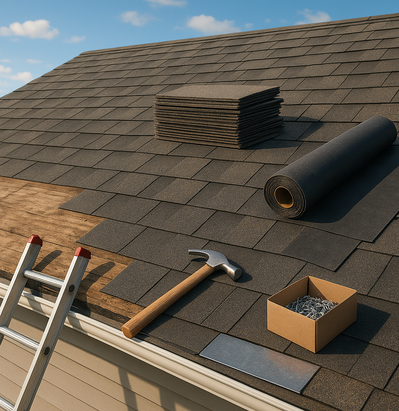 When you think about maintaining your home's roof, software development methodologies probably aren't the first thing that comes to mind. Yet the principles that guide successful programming teams—particularly Agile methodology—offer surprisingly relevant insights for homeowners facing roofing challenges. Just as developers break complex projects into manageable sprints, effective roof maintenance requires iterative assessment, rapid response to emerging issues, and continuous improvement rather than waiting for catastrophic failure.
The Agile approach revolutionized software development by replacing rigid, lengthy planning cycles with flexible, responsive workflows. This same philosophy can transform how homeowners in Anaheim approach their roofing needs, moving from reactive emergency repairs to proactive, systematic maintenance that saves money and extends roof lifespan. Understanding these parallels can help you make smarter decisions about protecting one of your home's most critical systems. To discover how professional roofing services implement these forward-thinking strategies, read more about comprehensive maintenance approaches.
When you think about maintaining your home's roof, software development methodologies probably aren't the first thing that comes to mind. Yet the principles that guide successful programming teams—particularly Agile methodology—offer surprisingly relevant insights for homeowners facing roofing challenges. Just as developers break complex projects into manageable sprints, effective roof maintenance requires iterative assessment, rapid response to emerging issues, and continuous improvement rather than waiting for catastrophic failure.
The Agile approach revolutionized software development by replacing rigid, lengthy planning cycles with flexible, responsive workflows. This same philosophy can transform how homeowners in Anaheim approach their roofing needs, moving from reactive emergency repairs to proactive, systematic maintenance that saves money and extends roof lifespan. Understanding these parallels can help you make smarter decisions about protecting one of your home's most critical systems. To discover how professional roofing services implement these forward-thinking strategies, read more about comprehensive maintenance approaches.
Sprint-Based Roof Inspections: Small Steps, Big Impact
In Agile development, work is organized into "sprints"—short, focused periods with specific goals. Apply this concept to your roof by scheduling quarterly inspections rather than waiting years between professional evaluations. Each inspection sprint focuses on different elements: one quarter might emphasize flashing and seals, the next could target shingle integrity, while another examines gutters and drainage systems. This sprint-based approach offers several advantages:- Problems are caught early when repairs are simple and affordable
- Seasonal changes are monitored systematically
- Maintenance costs become predictable rather than shocking
- The roof's overall condition is continuously documented
Iterative Improvement Over Complete Overhaul
Traditional software development followed a "waterfall" model: plan everything upfront, build it all at once, then hope it works. This approach often led to expensive failures when requirements changed or problems emerged late in the process. Agile replaced this with iterative development—building in small increments, testing constantly, and adjusting based on feedback. Your roof benefits from the same philosophy. Rather than ignoring minor issues until a complete replacement becomes necessary, iterative maintenance addresses problems incrementally. A few replaced shingles today prevent water damage tomorrow. Resealing flashing now avoids structural rot later. These small interventions compound over time, potentially adding decades to your roof's functional lifespan.The Cost-Effectiveness of Continuous Deployment
In software, "continuous deployment" means releasing updates frequently rather than saving everything for major version launches. For roofing, this translates to addressing maintenance needs as they arise rather than deferring work until multiple problems accumulate. Consider the financial mathematics: replacing 20 damaged shingles costs a fraction of what you'll spend when those 20 become 200, water infiltrates your attic, insulation becomes saturated, and mold remediation becomes necessary. The Agile principle of "fail fast, fix fast" prevents small failures from cascading into system-wide catastrophes.Cross-Functional Collaboration: Your Roofing Team
Agile emphasizes cross-functional teams where diverse specialists collaborate toward common goals. Your roofing maintenance should similarly involve multiple perspectives. A comprehensive approach includes: The Homeowner: Provides daily observation and reports changes like water stains, missing shingles, or unusual sounds during storms. The Roofing Contractor: Offers technical expertise, performs detailed inspections, and executes repairs with professional-grade materials and techniques. Working with contractors who follow industry standards established by organizations like the National Roofing Contractors Association ensures quality workmanship and adherence to best practices. The Insurance Professional: Helps navigate coverage questions and documents damage for potential claims. The Home Inspector: Provides objective third-party assessment during home purchases or major renovation planning. Inspectors certified by professional bodies such as IIBEC bring specialized knowledge of building envelope systems. This collaborative approach ensures that roof maintenance decisions benefit from multiple viewpoints, reducing blind spots and improving outcomes.Responding to Change Over Following a Plan
One of Agile's core values states: "Responding to change over following a plan." California's climate presents constantly shifting challenges—drought conditions one year, heavy rains the next, with wildfires and intense heat waves thrown into the mix. A rigid, unchanging maintenance schedule can't adequately address these variables. Adaptive roof maintenance means adjusting your approach based on current conditions. After particularly severe weather, schedule additional inspections. During drought periods, focus on checking for heat-related deterioration. When wildfire smoke fills the air, examine how particulate matter might be affecting roof materials. This responsiveness ensures your maintenance strategy remains relevant to actual conditions rather than theoretical schedules.User Stories: Defining Your Roofing Requirements
Agile teams use "user stories" to define requirements from the end-user's perspective. For your roof, these might include:- "As a homeowner, I want my roof to shed water effectively so my interior remains dry during storms"
- "As a budget-conscious resident, I want predictable maintenance costs so I can plan financially"
- "As someone who values home aesthetics, I want my roof to maintain its appearance over time"
 These user stories help prioritize maintenance activities based on what actually matters to you, rather than following generic checklists that may not align with your specific needs and values.
The Definition of Done: Quality Standards for Roof Work
Agile teams establish a "definition of done"—clear criteria that must be met before work is considered complete. For roofing projects, this might include:- All damaged materials removed and properly disposed of
- New materials installed according to manufacturer specifications
- Work area cleaned thoroughly with no debris remaining
- Photographic documentation of completed work provided
- Warranty information clearly explained and documented